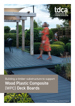
Chemically modified timber is becoming an increasingly popular choice for exterior applications, offering improved durability, dimensional stability and longer service life. But how does it work? The Timber Decking & Cladding Association (TDCA) explores two leading technologies, Accoya and Kebony, examining their modification processes, key benefits and applications in decking, cladding and other outdoor projects.
FAQ: Do I need planning permission to replace my timber deck?
In many cases, replacing an existing deck on a like-for-like basis may be considered maintenance or repair rather than new development. However, under planning rules in England, decking raised more than 300 mm above natural ground level may require planning permission, particularly if the structure is being completely rebuilt, enlarged or raised. Older decks, including those built before October 2008, may have different considerations depending on their lawful status. Understanding the distinction between repairs and reconstruction is essential, and homeowners should consult their local planning authority if unsure before starting work.
Preventing slips on timber decking starts long before the first board is installed. Good design, selecting the right materials, regular cleaning and ongoing maintenance all play an important role in creating a safe external surface.